IZOTOPE · UX/UI · PRODUCT DESIGN
Rethinking the knob for the software era.
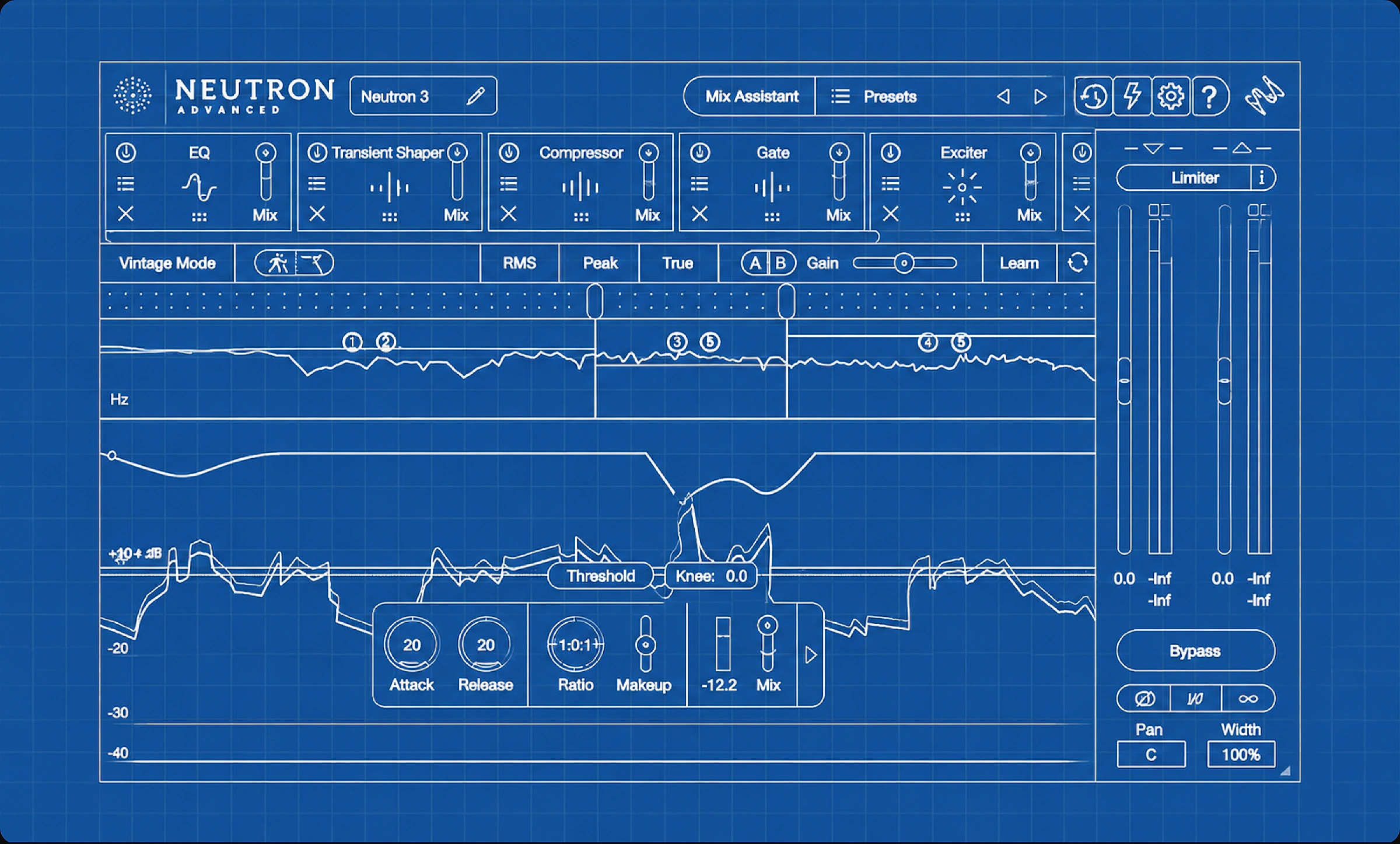
When audio moved into software, the hardware came along as decoration — knobs, sliders, and meters drawn on screen because engineers already trusted them. But a drawn knob breaks the physics of the real one: your hand drags in a straight line while the graphic rotates. Redesigning Neutron 3 gave us the room to ask what fifty years of habit had been hiding — what a control looks like when it's designed for how people actually use software.
01 / CHALLENGING INHERITED PATTERNS
Every control was a compromise.
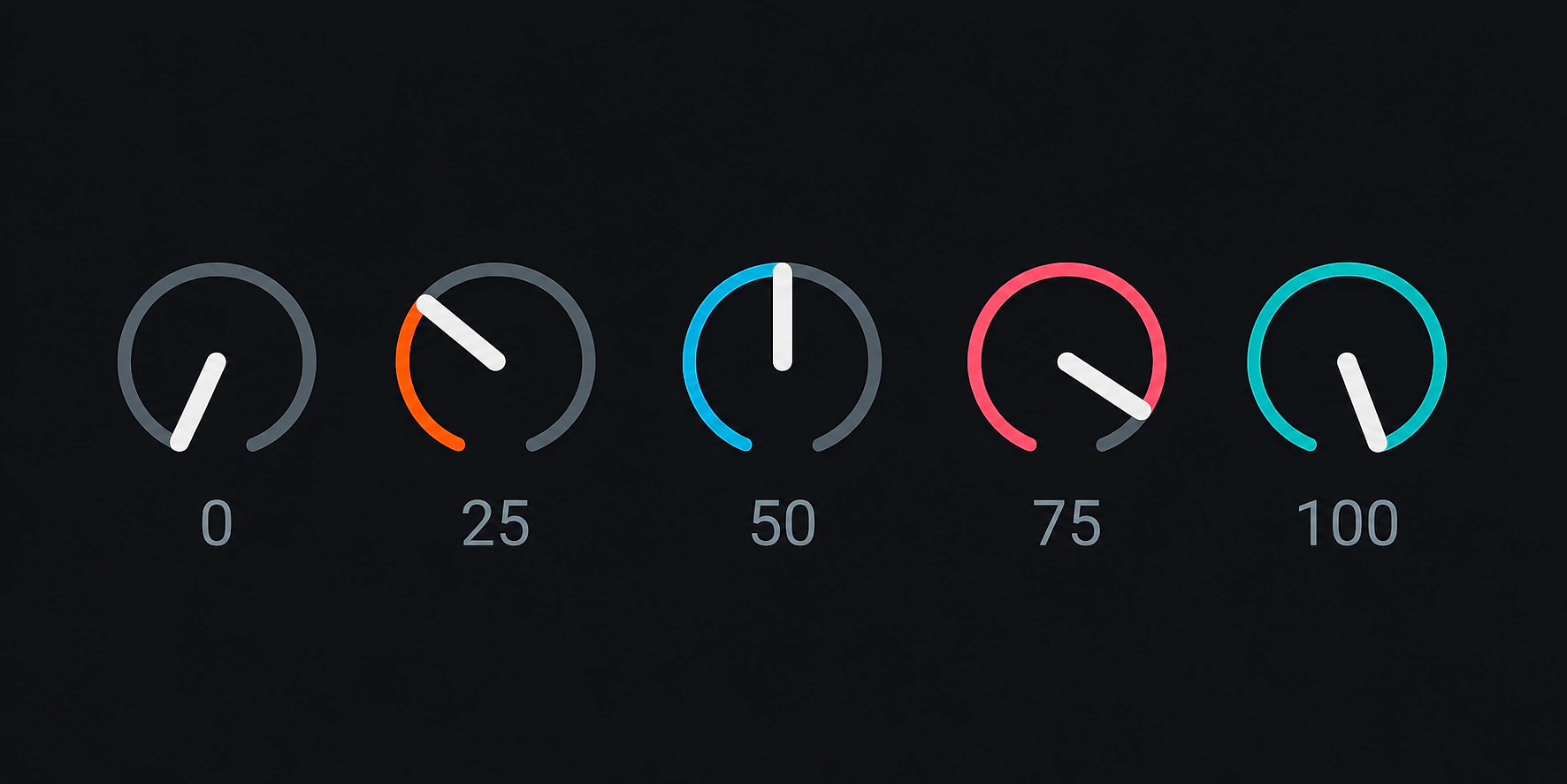
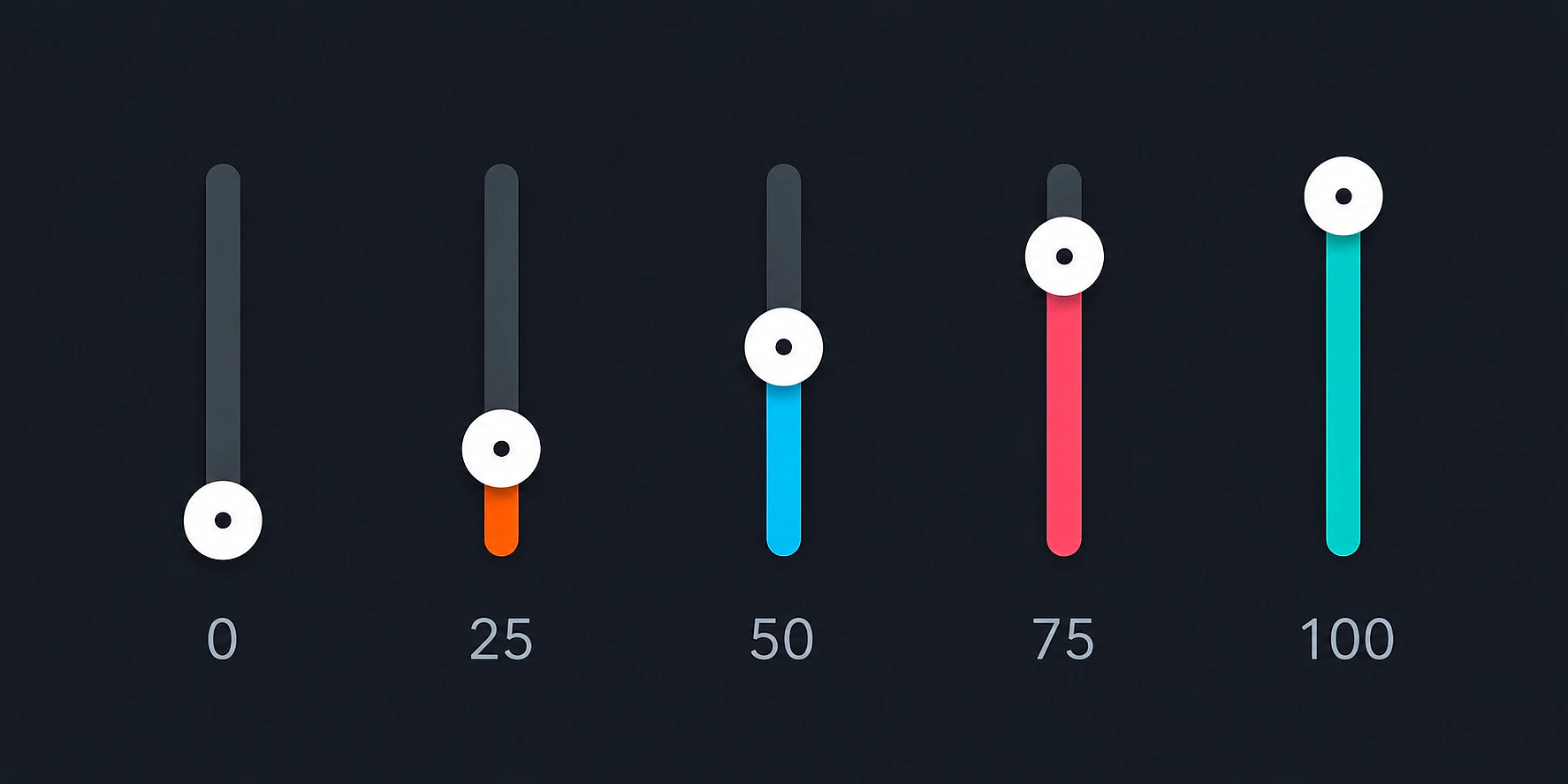
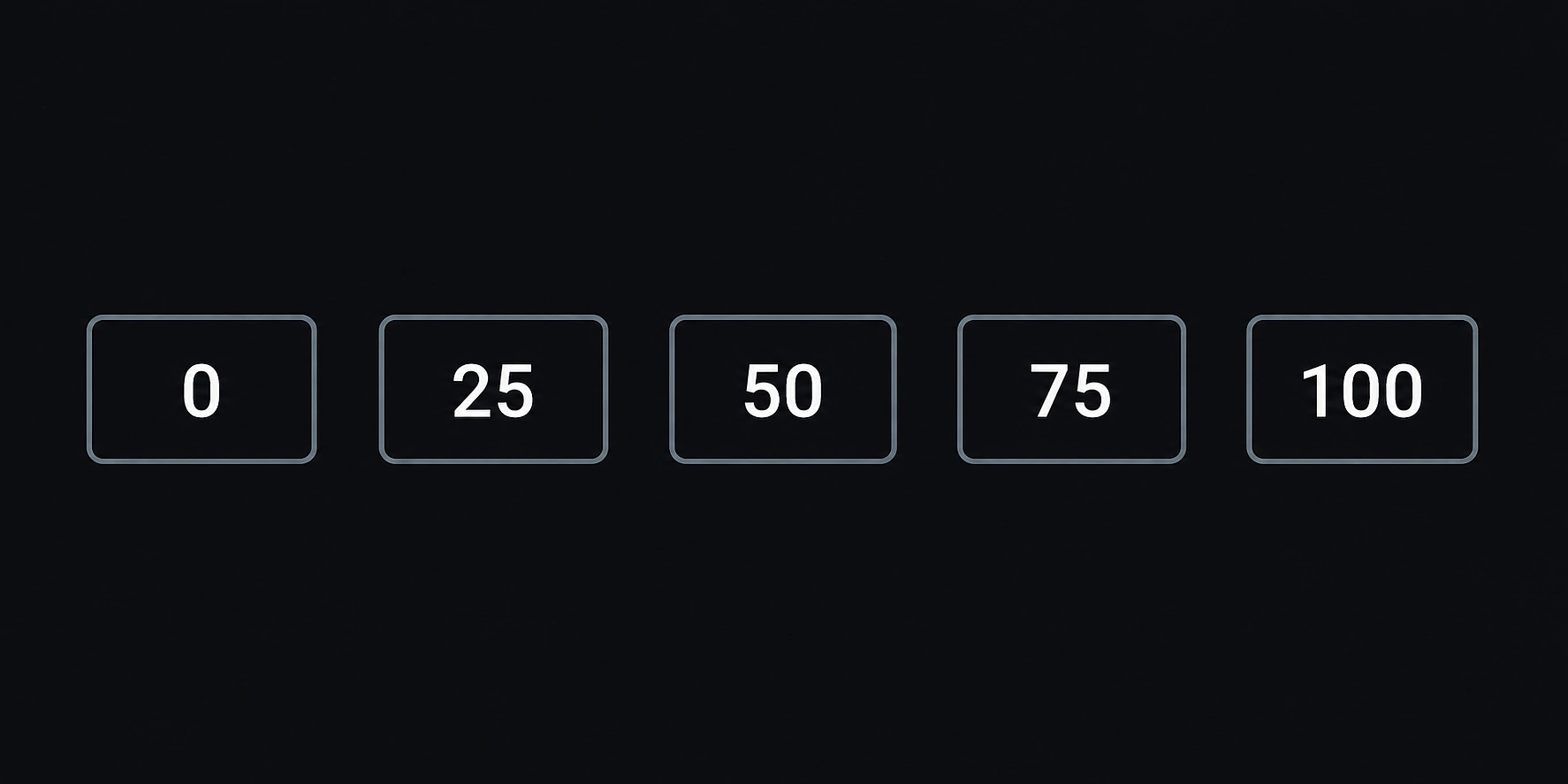
Every inherited control bought something and paid for it somewhere else. Knobs are compact and dense enough to leave room for visual feedback, but hard to read comparatively — a row of them is a row of tiny angles. Sliders read instantly and compare beautifully, but they're space-hungry, and click-anywhere-to-jump behavior can wreck a fine adjustment. Scrub text is precise in almost no pixels, but strips away any sense of range or position.
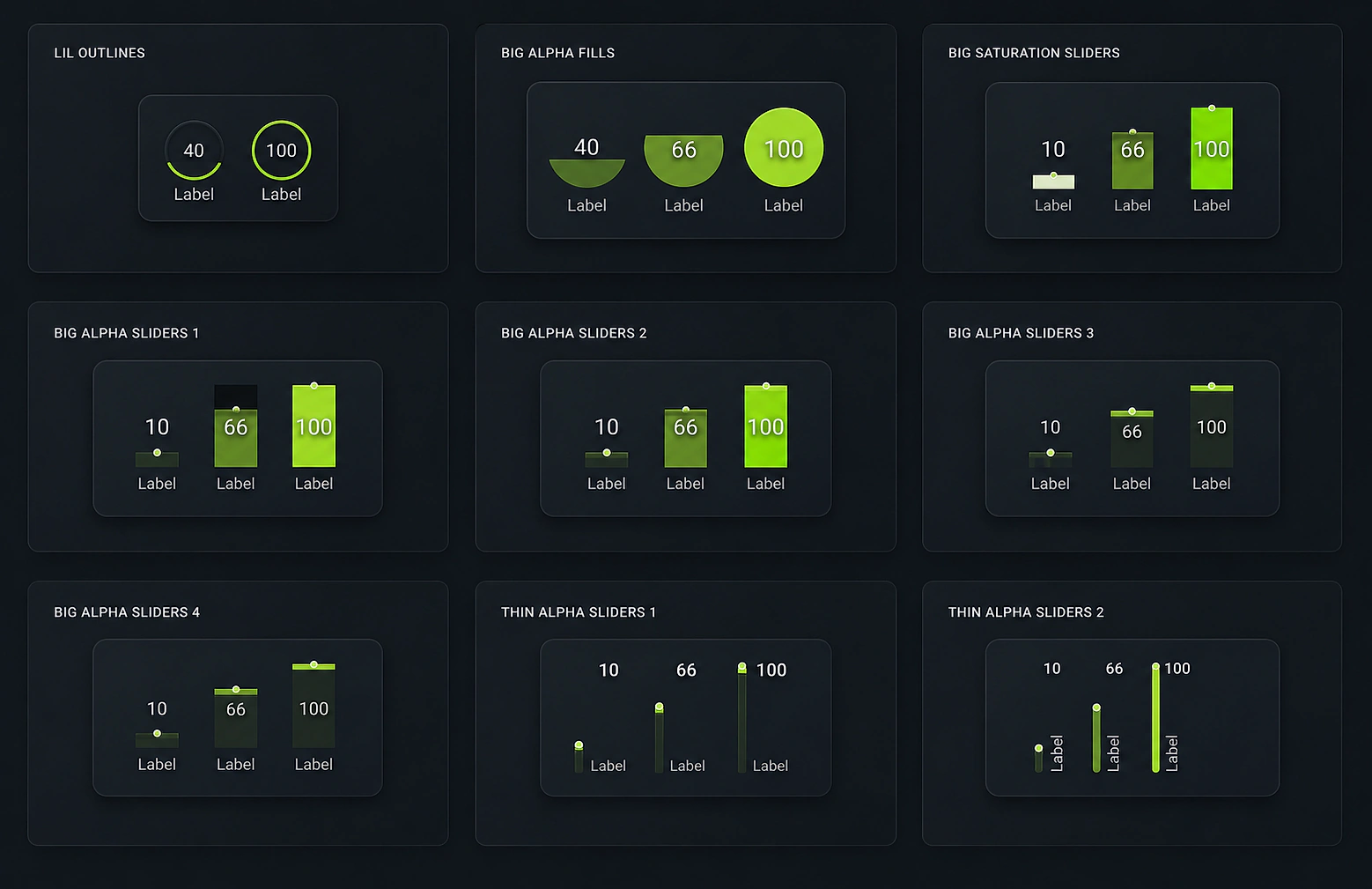
Before designing anything new, we audited what we had — where each control earned its place, where it was habit:
02 / DESIGNING THE GAUGE
A knob's footprint, a slider's honesty.
The brief had three goals: preserve screen space, make parameter changes easier to read, and improve precision while adjusting sound. The concept that stuck used the outer ring of a circle to carry the value — a knob's compact footprint with a slider's readability, and nothing pretending to rotate. The ring simply fills as the value rises. That became the Gauge.
Familiar enough for audio professionals to trust — but designed entirely for the screen it lives on.
03 / PROTOTYPING & TESTING
From CodePen to customers.
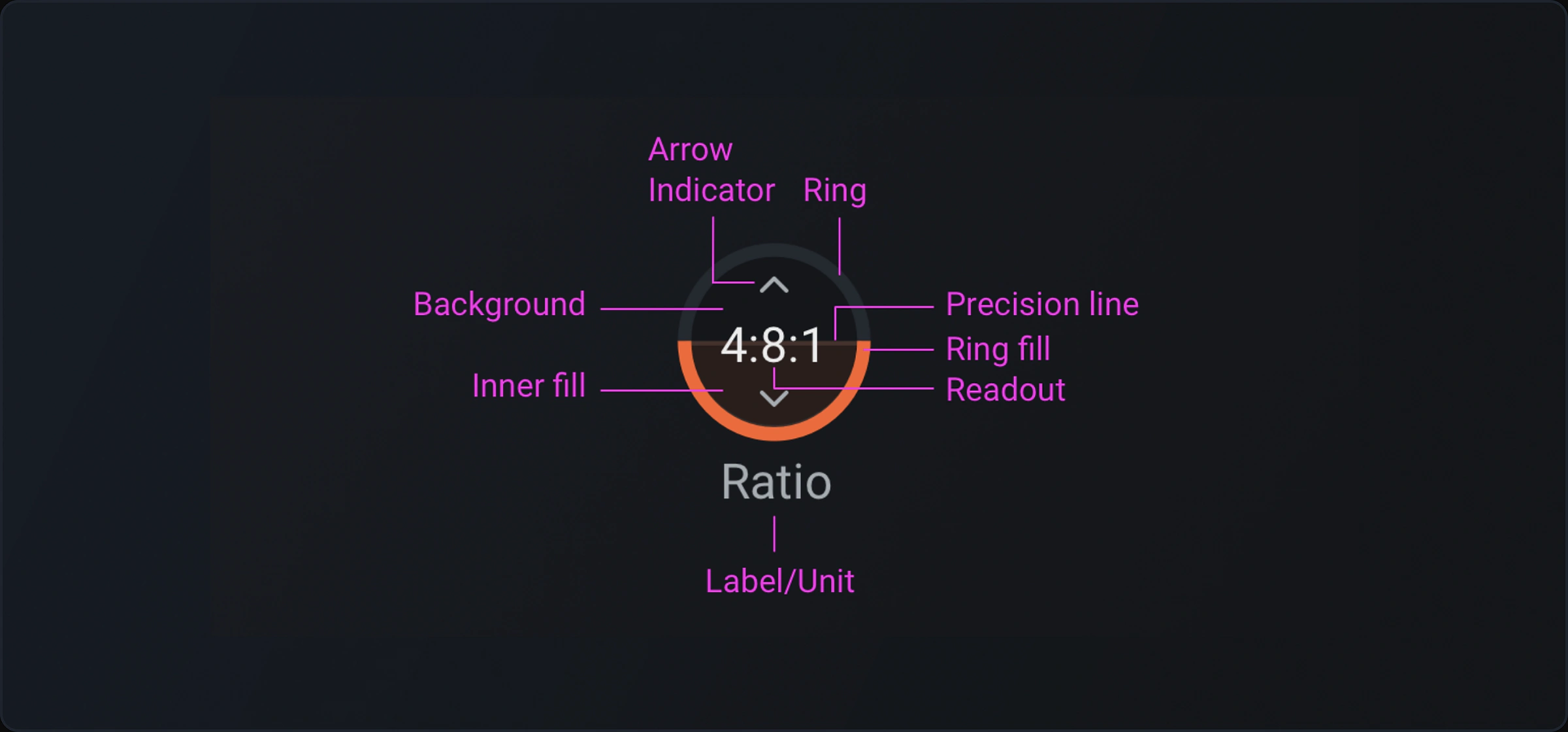
The ring concept was mine; making it real was a team sport. Mike McNasby, our Manager of Platform Design, built a quick CodePen prototype — close enough to code to feel the interaction, fast enough to keep iterating. Internal testing said we were onto something, and each round added a refinement:
- A center fill that illuminates as the value increases.
- A parameter label that reveals units once you click in.
- Directional arrows that appear on demand — showing only the direction still available at the extremes.
After a few rounds of refinement, we validated the design with customers. A few needed time to adapt, but most either loved it or didn't notice the change at all — a good sign we'd improved the control without disrupting anyone's workflow.
04 / IMPACT
One control became a language.
The Gauge shipped as a core part of Neutron 3 — and became a foundation for how iZotope designs controls:
- A new interaction pattern for complex audio parameters.
- Better parameter visibility in less screen space.
- A reusable component that seeded the visual language for future products.
Most of all, it moved iZotope past hardware-inspired design. The Gauge proved questioning inherited patterns — not replicating them — produces controls that feel native to software while earning the trust of experienced engineers.