EPIC GAMES · UX/UI · SIDE MISSIONS
Music as a layer of play.
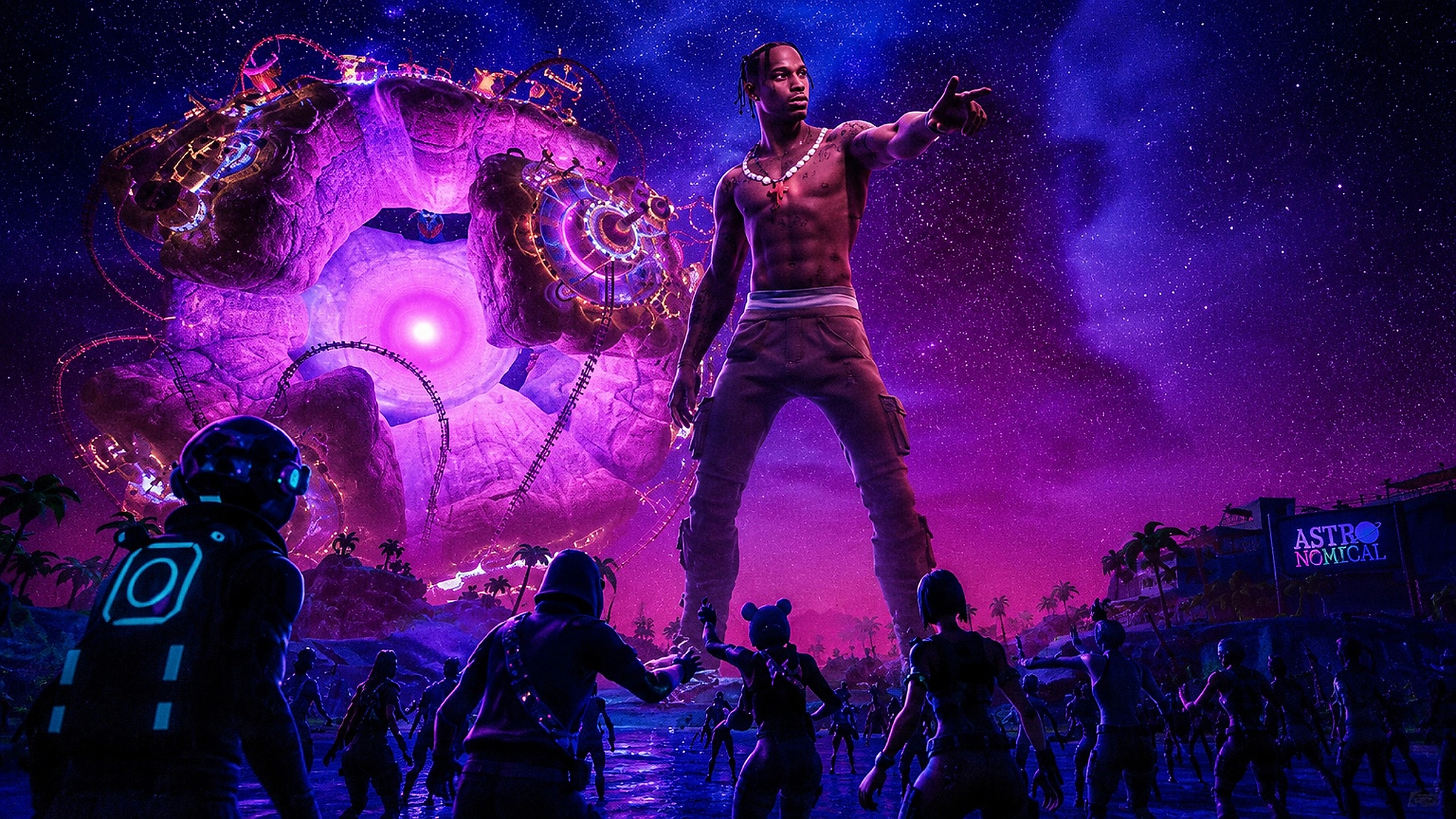
In 2020 I joined Harmonix — the studio behind Rock Band and Guitar Hero. Three months later, Epic Games acquired us with a vision: an interconnected universe where music isn't background noise, but a core, interactive layer of play. I joined the foundational UX team tasked with bridging those two worlds for hundreds of millions of players.
OVERVIEW
One idea, four altitudes.
The work began in cross-studio workshops around one tension: keep rhythm gameplay deep enough to honor twenty years of Harmonix craft, while staying playable for hundreds of millions who never asked for a music game. What came out wasn't one product — it was one idea at different altitudes. Main Stage when you want to perform. Music woven into the daily loop when you don't. Patchwork when you'd rather build the song than play it.
What follows is the hands-on work: wireframes, prototypes, and shipped systems that carried them into the game.
01 / FESTIVAL MAIN STAGE
When you want to perform.
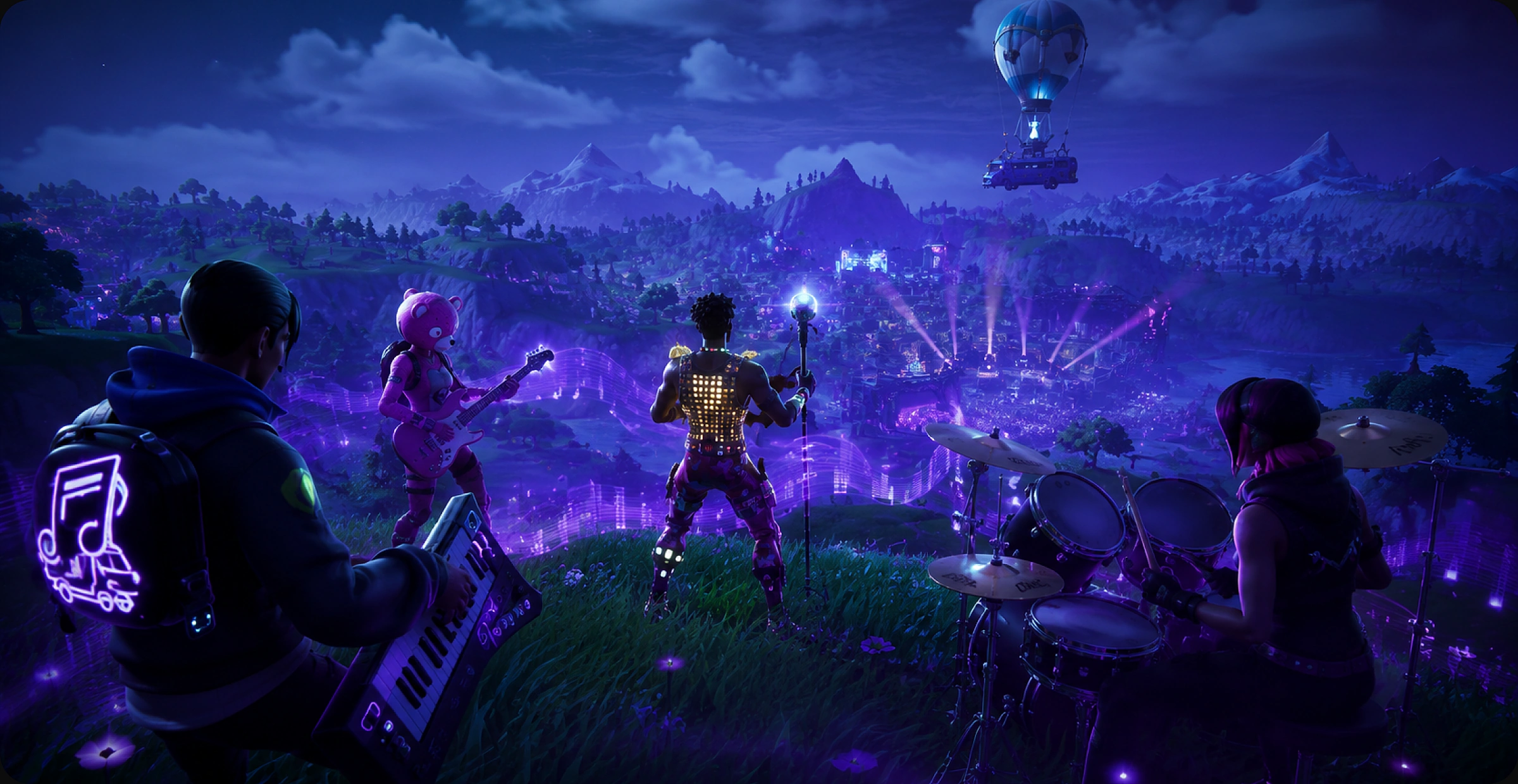
SEE WORKMain Stage is the deep end: solo or a band of four, matching scrolling notes to licensed hits and original tracks. I wireframed and prototyped the note highway, the performance HUD — multipliers, streaks, overdrive — peripheral onboarding for guitars, mics, and drums, and the multi-user lobby and setlist flow.
The brief: make a twenty-year-old genre feel native to Fortnite — on touchscreen, controller, or plastic guitar.
02 / ECOSYSTEM MUSIC
When you just want to play.
SEE WORKMost players never queue for a rhythm mode — so music had to meet them where they already were. I designed the Jam System on the Emote Wheel (live music loops triggered mid-match), party-wide playlist sync in pre-game lobbies, and the Item Shop's “Listen Before You Buy” stem previews. The result: a single Jam Track works as rhythm gameplay, a social emote, and lobby audio — one asset, three lives, across Battle Royale, Festival, and social spaces.
03 / PATCHWORK
When you'd rather build the song.
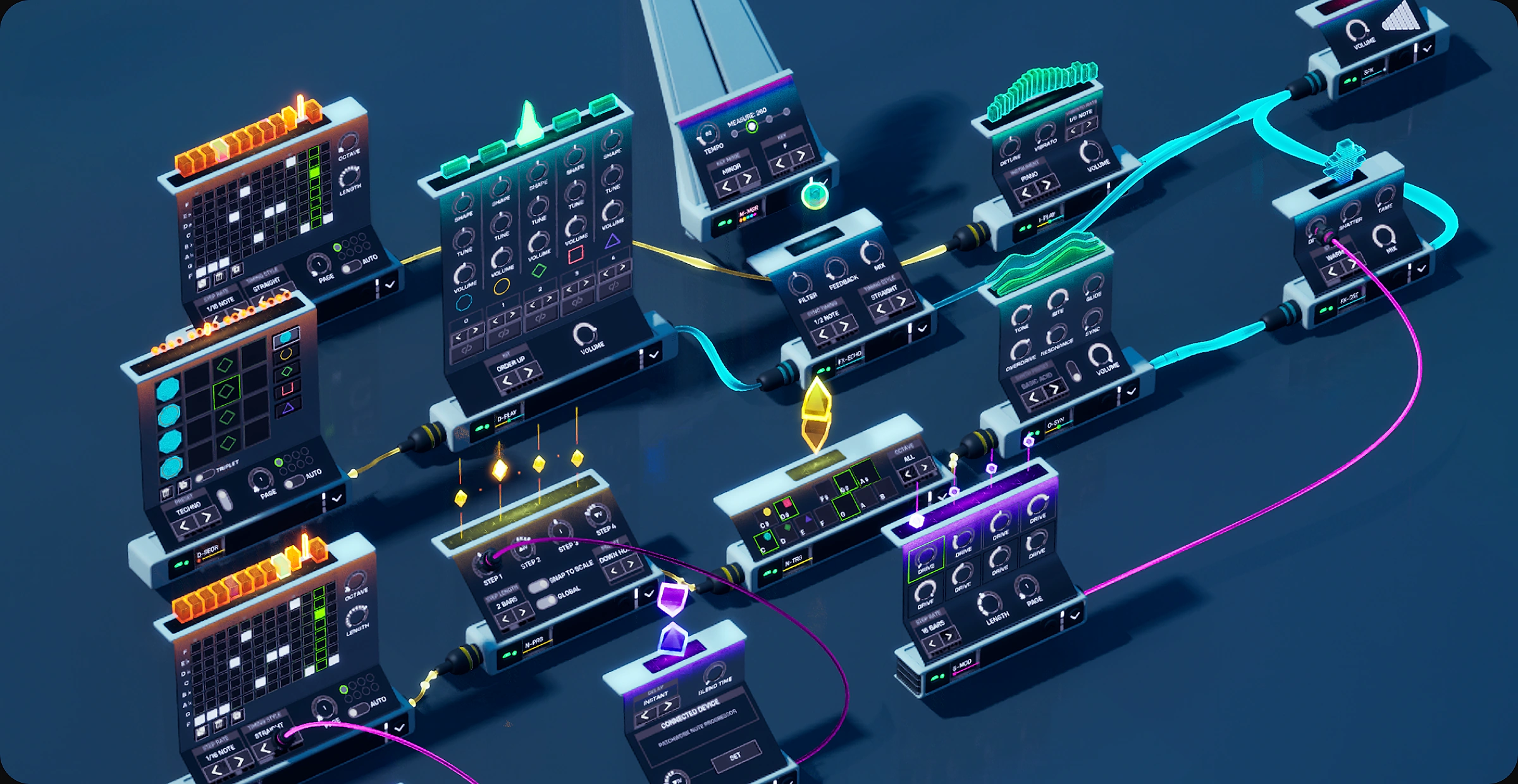
SEE WORKPatchwork turns Fortnite Creative and UEFN into a modular synth studio. Creators drag virtual cables between devices — sequencers, synths, effects, speakers — to compose adaptive soundtracks wired directly to gameplay events. I came on as the UX designer who helped it grow up — shaping the device interfaces and interaction patterns that made patching feel tactile instead of technical.
04 / DAFT PUNK
Side quest: become Daft Punk.
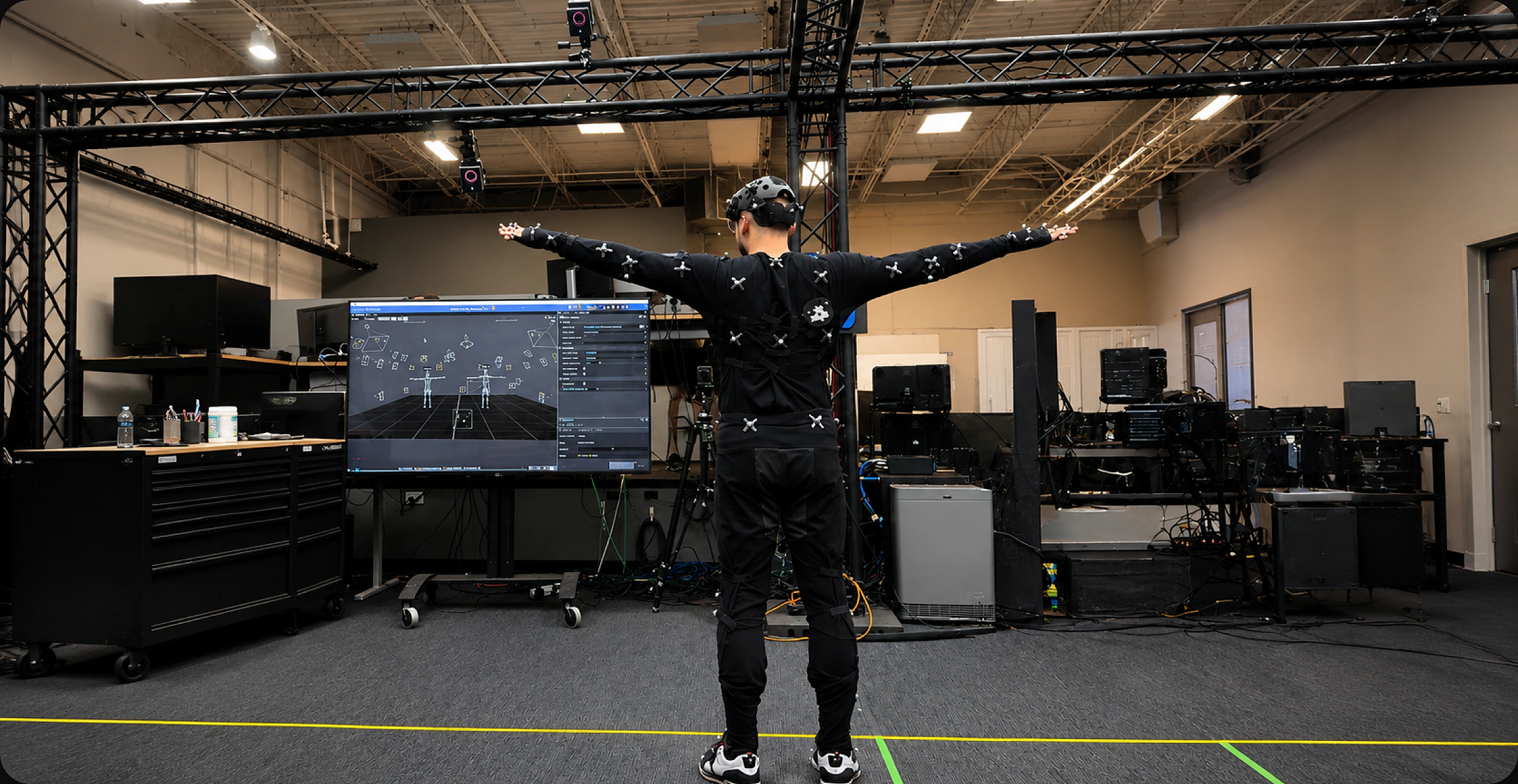
VIEW CONCERTThe Fortnite Daft Punk Experience launched in Chapter 6: Season 4 with a live premiere on September 27, 2025 — an interactive tribute to the French duo. The production team needed authentic DJ performances to ground the virtual “Daft Club” scene. I submitted a demo, got selected, and was flown to Epic HQ for a full-day motion-capture session.
Bringing the virtual stage to life
- Physical stage setup — the mocap rig mirrored Daft Punk's touring setup: real surfaces, knobs, and tables, so muscle memory translated into clean data.
- Full-body performance — a day in a mocap suit performing DJ movements, transitions, and energy loops calibrated to the duo's discography.
- Real-time validation — reviewing tracking data live with the animation and cinematics teams, matching spacing, timing, and posture to the scale of the digital club.
When the experience launched to millions, that motion data became the behavioral foundation for the club's background DJs. Designing music UX systems by day and then performing inside one is the whole chapter in miniature — music as a layer of play, including mine.